Blackcurrant Plant
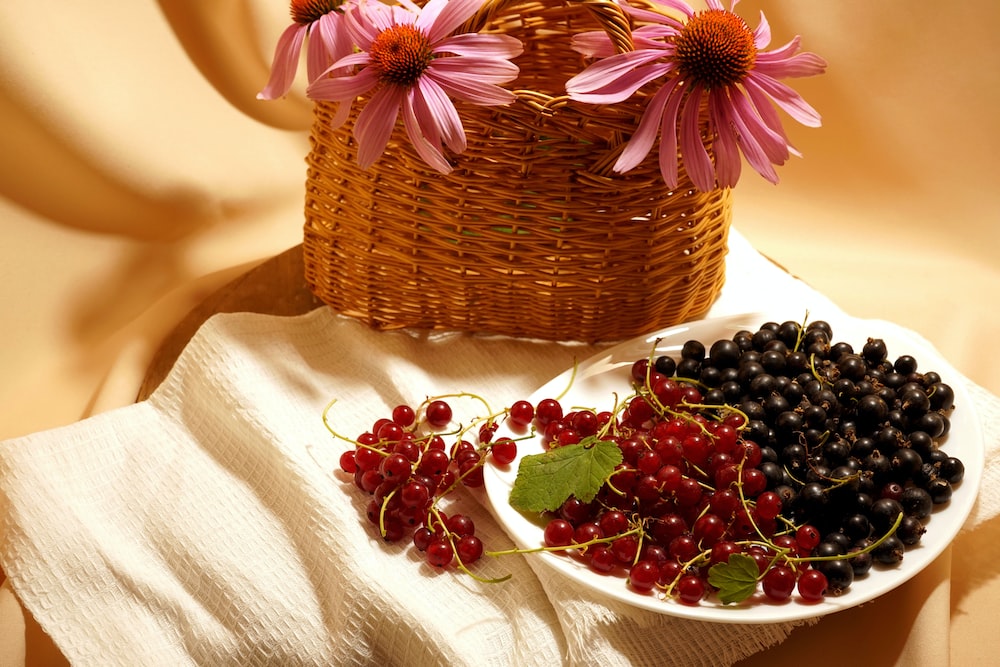
Blackcurrants, also known as Ribes nigrum, are a type of berry that is native to Europe and Asia. They are a delicious and nutritious fruit that is high in vitamins C and E, as well as antioxidants and other beneficial nutrients. Here are some tips on how to grow your own blackcurrant plant:
- Choose the right location: Blackcurrants prefer well-draining soil and a location that receives full sun for at least part of the day. They also need acidic soil with a pH between 4.0 and 5.5. If your soil is not acidic enough, you can add sulfur or peat moss to lower the pH.
- Plant your blackcurrant bush: Blackcurrant bushes are available at most nurseries and garden centers. When planting, make sure to space your bushes at least three to four feet apart to give them room to grow.
- Water your blackcurrant bush: Blackcurrant plants need a lot of water, especially during the first few years after planting. Make sure to water your plants deeply at least once a week, and more frequently during dry spells.
- Prune your blackcurrant bush: Pruning is an important part of maintaining a healthy blackcurrant plant. In the first year, remove any weak or damaged branches to encourage new growth. In subsequent years, prune out any old or overgrown branches to keep your plant healthy and productive.
In addition to being easy to grow, blackcurrants also have many health benefits. They are high in antioxidants, which can help protect your cells from damage and boost your immune system. They are also a good source of vitamins C and E, as well as fiber and other nutrients. Eating blackcurrants can help lower your risk of heart disease and improve your overall health.
Overall, growing a blackcurrant plant can be a fun and rewarding experience. Not only will you have a delicious and nutritious fruit to enjoy, but you will also be able to enjoy the benefits of gardening and being outdoors.