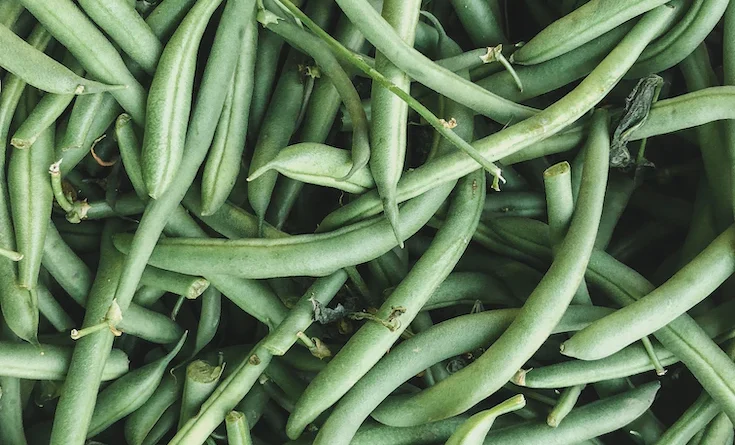
Green Beans
Sure, here’s an optimized version of the blog with some spun words:
Green beans, also known as snap beans or string beans, are a highly nutritious and popular vegetable that can be easily grown in your home garden. In this article, we’ll discuss the many benefits of adding green beans to your diet and how to grow them.
Growing Green Beans:
Green beans are a warm-season crop that can be directly sowed in the soil after the last frost date in your region. Alternatively, you can start them indoors 4-6 weeks prior to the last frost and then transplant them outside. Here are some tips for growing green beans:
- Choose a sunlit spot: Green beans require at least six hours of direct sunlight daily to thrive.
- Prepare the soil: Green beans thrive in well-drained soil rich in organic matter. Before planting, add compost or aged manure to the soil.
- Sow the seeds: Sow the seeds 1 inch deep and 2-3 inches apart in rows that are 18-24 inches apart.
- Water regularly: Keep the soil consistently moist, but not waterlogged. Water the plants deeply once a week, or more frequently in hot weather.
- Provide support: Green beans are climbers and need support to grow. You can use poles, stakes, or trellises for this purpose.
- Harvest the beans: Green beans are ready to harvest when they are about 4-6 inches long and have firm and crisp pods. Regular harvesting will stimulate more bean production.
Benefits of Eating Green Beans:
Green beans are low in calories and packed with vitamins, minerals, and fiber, making them a highly nutritious addition to your meals. Here are some benefits of consuming green beans:
- High fiber content: Green beans are an excellent source of dietary fiber, which aids digestion and lowers the risk of chronic diseases.
- Rich in vitamins and minerals: Green beans are high in vitamin A, vitamin C, vitamin K, and folate, as well as minerals like potassium, magnesium, and iron.
- Antioxidant properties: Green beans are packed with antioxidants such as beta-carotene, lutein, and zeaxanthin, which can protect against cellular damage and decrease the risk of chronic illnesses.
- Low in calories: Green beans are a low-calorie food that can help with weight loss and maintenance of a healthy weight.
- Versatile: Green beans can be cooked in numerous ways, including sautéed, steamed, or roasted. They can be served as a side dish, added to salads or soups, or used as a pizza or pasta topping.
In conclusion, green beans are a nutritious and easy-to-grow vegetable that can provide several health benefits. Adding green beans to your meals can be a delicious and healthy way to improve your diet. So why not try growing some green beans in your garden this season and enjoy the many benefits of this nutritious vegetable!
